

How to Recognize Deep Fake Generated Content?
- Noor Ul Ain Tahir
- Oct 4, 2023
- 4 min read

Artificial Intelligence is a huge revolution in technology. It has helped to make things so much easier, especially during the pandemic. Online shopping, online classes, and online payments, every part was played by some kind of AI. It helped the world to keep moving when everyone had to stay indoors because of the pandemic.
We’re kind of dependent on it because it has made so many things convenient for us. People are now eager to learn more about Artificial Intelligence to make updates to it so that its use in the future continues. Some specifically study to earn a degree in it so they work as professionals to make developments in Artificial Intelligence.
But not everyone in this world wants the best for others. Some want to manipulate this technology for their own good. Once you know its working system, AI is easy to manipulate because no matter how intelligent it becomes, at the end of the day, it is a machine. Humans have command over it and can program it however they want. Deep fake is an example of one of those technologies that has been made to mess up human relations. Let’s learn a little bit about it and how you can recognize Deep Fake generated content.
Deep Fake Technology
With recent updates in AI, it is quite difficult to verify whether the content available online is true or not. Deep Fake technology is one of those advancements. Deep Fake is AI-generated content which is an exact copy of your target person doing something that they haven’t done. The content varies from political smears to non-consented explicit material.
The technology dates back to the 2010s when a group of developers was working to make facial recognition better. They discovered how they can create realistic content with the help of AI. Before people could properly recognize the technology, whatever Deep Fake generated content was shown to them, they believed it to be true.
Many people still don’t know about this development and think that everything available online is true. Awareness about Deep Fake content is really necessary to differentiate between good and bad. We will talk about some major clues that can help you tell whether the content you’re watching is Deep Fake generated content or not. Let’s start.
How to Recognize Deep Fake Generated Content?
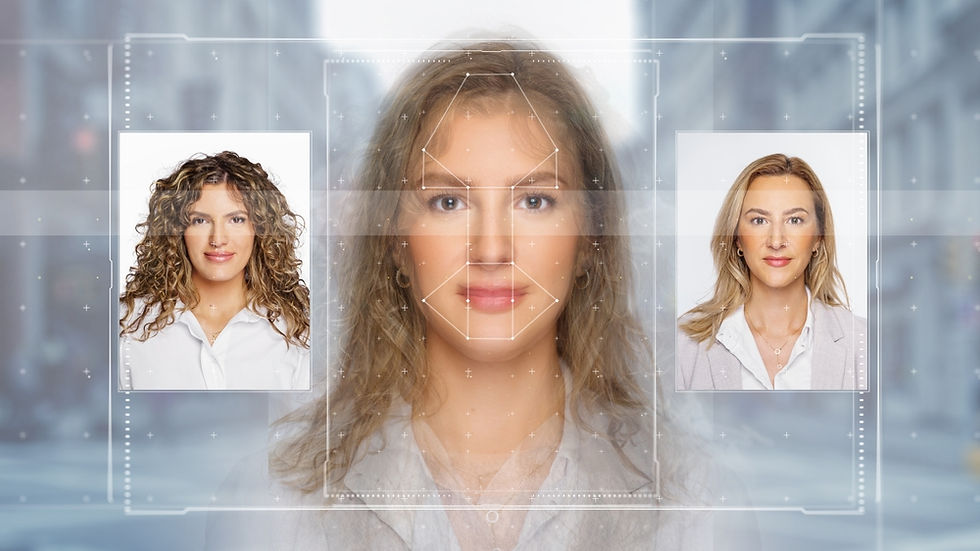
Though the content is very realistic, if you see it closely, you might be able to recognize some differences that are not possible in a real video or picture. We’ll go through some of those features to help you recognize Deep Fake generated content in a better manner.
1. Odd or Unnatural Movements
Natural human movements and the ones generated by AI are almost the same. But there are slight differences if you look up close. Weird lighting, mangled hand movements, or unnatural blinking of the eyes, all of them can be seen in Deep Fake generated content.
The content looks more like a painting than a natural video. Some of the AI-generated content is flawless at first glance, but if you have a close look at it, you will easily tell that the content is artificially made. Just make sure not to believe everything you see and always do a second check on things that give you some doubt about their reality.
2. Inconsistencies in Facial Expressions
Deep fakes often struggle to perfectly match the target person's facial expressions and movements with the audio or context of the video. Pay attention to subtle discrepancies, such as unnatural blinking, lip-sync issues, or facial tics that seem out of place.
No matter how efficiently the content is made, it will have some shortcomings when you inspect the content up close. If the content has the capability of wreaking havoc, then you should surely recheck it and make sure it doesn’t have any artificial aspects to it.
3. Glitches and Inconsistent Lighting
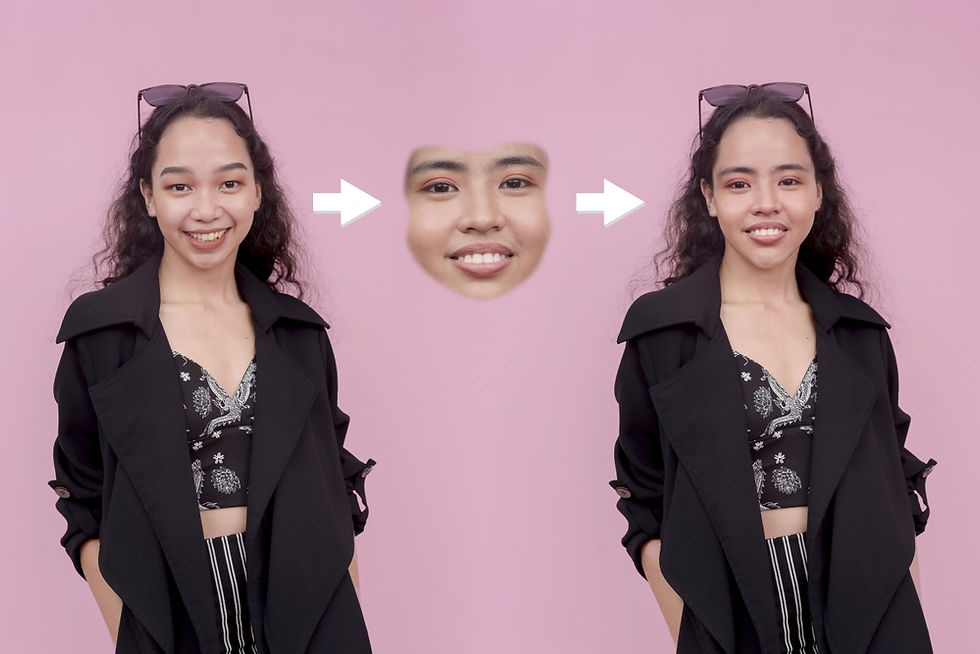
Deep fake videos may exhibit artifacts or glitches that are not present in authentic content. These can include strange distortions, blurriness, or digital noise, particularly around the face or where the manipulation occurs.
Deep fakes may fail to accurately replicate the lighting and shadow patterns in the source video. Look for discrepancies in how light falls on the face or body, especially when the lighting conditions change throughout the video.
4. Unusual Context or Actions
Be skeptical of content that portrays an individual saying or doing things that seem out of character, context, or timeline. Deep fake creators often manipulate the audio or visual context to deceive viewers, so it's essential to consider whether the content aligns with what you know about the person and the situation.
You can also make use of advanced AI applications that would help you recognize whether the content you’re seeing is Deep Fake or not. Who would better recognize an AI-generated content than an AI itself? These applications are specifically designed to closely monitor the small and subtle glitches or errors in movements that wouldn’t be possible in a natural video. Applications like Sensity, Deepware Scanner, Microsoft Video Authenticator Tool, and similar ones can help you recognize Deep Fake generated content within minutes!
Ending Statement
To enhance the ability to recognize deep fake content, it's essential to stay informed about the latest developments in deep fake technology and to use reliable fact-checking and verification tools when encountering suspicious content. Additionally, being cautious and critical of the media you consume can help in identifying potentially deceptive content.
Another thing you can do to save yourself from this merciless act is to limit sharing things about yourself on social media platforms. Don’t go into too much detail about yourself and your family. Make sure that you don’t share every moment of your time on the platform. Because most of the Deep Fake content is acquired from public social media platforms. You can become a part of something dangerous without even knowing the purpose behind it. So, save yourself and your family and try to limit posting on social media platforms. Send your precious moment directly to your friends instead. We know the fun shouldn’t stop but fun with some caution can help save you from becoming a pawn of Deep Fake generated content!


Comments